

Introduction
DTF Printing is a new technique for printing colorful, intricate designs on garments. It is composed of ink, special DTF film, adhesive powder, and a DTF printer. The design is initially printed on PET film with a printer, and then the powder is applied to the PET film and transferred to the fabric with a heat press. If the process is carried out properly, DTF prints will retain their color and flexibility after numerous washings.
But certain users have reported that their DTF prints start to crack or peel after a single wash. This indicates that something went wrong with the process, perhaps the heat setting, fabric compatibility, materials used, or the washing technique. These are all important factors to consider when creating long-lasting transfers.
While a DTF printer is responsible for producing the design, the quality of the DTF print relies on the proper execution of every step. Any stage omitted or rushed will cause the print to fail after a few washes. Fortunately, most of the problems associated with DTF transfers can be avoided if their causes are identified.
This article explains the causes of cracking or peeling in DTF designs and how to prevent them.
Why do my DTF prints crack or peel after washing?
Cracking or peeling typically happens when the bond between the ink, adhesive powder, and fabric is weak. To ensure the durability of DTF transfers, the design needs to be properly melted and fused during the heat-press process. Washing cycles can cause the design to come apart if the bond is insufficient.
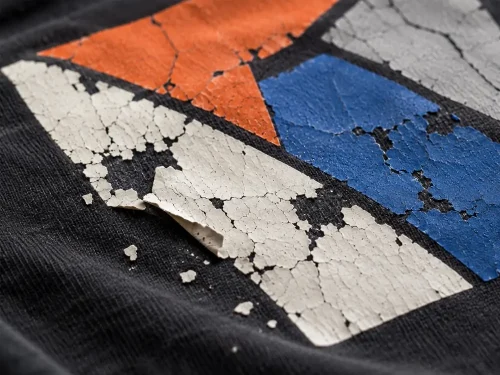
There are many reasons for peeling or cracking in DTF designs. Some of the main causes include:
Improper heat press settings
One of the primary causes of DTF prints failing is incorrect press settings. A press controls the temperature, time, and pressure. An error in any of these parameters will prevent DTF transfers from adhering properly to the fabric and cause them to crack or peel off prematurely.
Correct range:
- Temperature: 150°C to 165°C (300°F to 330°F)
- Time: 10 to 15 seconds
- Pressure: medium and even
When the heat press temperature is too low, the powder might not melt and adhere to the fabric. If it is too high, the ink layer may become brittle and crack over time. Insufficient or uneven pressure can also create weak areas in the design, leading to DTF prints peeling.
If a printer creates a perfect design, but the press is not used properly, it can still ruin the product. In fact, many DTF transfer issues are not related to printing but rather to the pressing technique.
Incompatible fabric
The quality of the fabric is another key factor in the success of DTF printing. Generally, good results are obtained from:
- Cotton
- Cotton blends
- Polyester blends with balance
Typical issues that occur when using:
- Very stretchy fabric
- Rough-textured fabric
- Water-resistant fabric
If the fabric is too elastic, the prints will not be able to bend and stretch with the fabric and will crack. The fabric’s physical properties can destroy the bond formed by the transfers, even when the press is applied properly.
A printer cannot automatically change fabric type, so it is important to test the fabric before full production.
Low-quality DTF film or powder
The ink is held in place by film and powder. If they are not strong, the design will not last through the washing process.
Problems include:
- Powder not completely melted.
- The film coating is not even.
- Weak glue layer.
The key to creating high-quality transfers is ensuring the adhesive powder adheres evenly and firmly to the fabric. If the powder coating is not even or of poor quality, the prints may not hold up, or some parts of the print may lift or peel off after washing.
The printer only prints ink. The film and the powder determine durability. Even perfect printing cannot fix weak materials. If the materials used are low-quality, the prints will crack at the edges after just a few washings. This is a reminder to choose the right DTF film, powder, and ink for optimal results.
Over-stretching the fabric
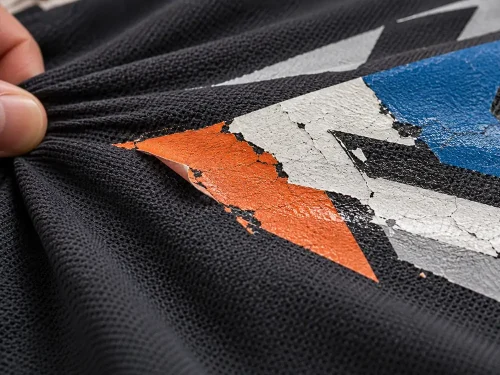
Stretchy clothes can tear the print. If the fabric is stretched too far, the design layer can’t keep up.
This frequently occurs in conjunction with:
- Sportswear
- Tight shirts
- Elastic materials
Excessive stretching after proper application with a press can cause prints to crack. While the bond may be strong, the continual movement and tension can be too great for the design to withstand.
The printer will create a permanent design that will not stretch much. When the fabric is stretched beyond its limits, the print layer will break apart, causing visible cracks or peeling in transfers, particularly after washing.
Excessive humidity in the operating environment
Humidity in the air affects bonding. Powder is weaker when it is humid.
When humidity is high:
- Powder clumps
- Ink does not dry properly
- Film absorbs moisture
This results in poor transfers that are more prone to failure or peeling off after washing, compromising the quality of the final product.
The printer works best in low-humidity conditions. Even with proper use of the press, moisture can compromise print durability.
Humidity also affects the powder’s ability to melt, causing peeling after washing.
Insufficient pressure or time
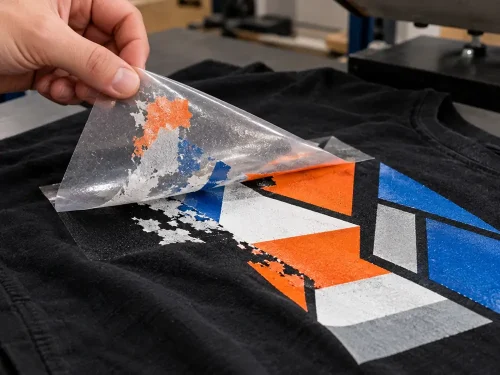
If pressing time or pressure is too low, bonding is weak. The fabric fibers do not fully absorb the powder.
Standard settings:
- 10-15 seconds pressing time
- Medium pressure throughout the area
Designs can stick to one side and lift on the other if the pressure is uneven.
While a printer may produce a sharp design, it can still be weak due to poor pressing techniques and may come off after the first wash.
To ensure that the transfers bond properly with the fabric, the force applied during printing must be uniform throughout the design.
Improper washing and care
Washing and garment care are important factors in the durability of prints. Even the best transfers can fail if washed or dried incorrectly.
Common mistakes:
- Hot water washing
- Strong detergents
- Use of bleach
- Drying with a machine at high temperatures.
Correct care:
- Wash inside out
- Use cold water
- Do not wash after 24 hours.
- Air dry or low heat dry
If not properly maintained, transfers will slowly deteriorate, causing cracks and peeling. A printer creates the design, but its lifespan is determined by the user’s washing and drying practices. Thus, giving clear directions of care is crucial.
Even a perfectly applied DTF print, when heat-pressed, cannot withstand repeated exposure to harsh washing conditions.
How can cracking or peeling be prevented?
Prevention begins before printing and continues through the washing process. Most failures are due to minor setup, press, or care mistakes.
Follow consistent DTF printer settings and always use the same materials, such as ink, film, and powder. Apply the powder layer evenly so that the bond forms over the entire design, not just parts of it.
Preheat the fabric before pressing. Heat-press for 2-3 seconds to pre-press garments, remove moisture, and flatten fibers. Then gently press at 150°C to 165°C for 10 to 15 seconds, evenly across the entire surface.
Press and allow the transfers to cool for 30-60 seconds before peeling. Cold peel timing helps minimize stress on the design and ensures it settles correctly into the fabric.
Manage the work area. Store powder and film in dry, closed containers and maintain low humidity. Wetness weakens adhesion and reduces print strength after washing.
Always test small samples before printing in full production on a printer. A short test run ensures that the heat, pressure, or material setting is neither too weak nor too strong, preventing material waste.
Once printed, care is important, too. Do not wash within 24 hours of the initial wash. Wash clothes inside out with cold water and mild detergent, then air-dry or dry on low heat. These measures will extend the life of the DTF transfers, sometimes up to 50+ washes, if applied properly.
FAQs
How do I repair a garment with a cracked print?
Sometimes it is possible to repair light cracks. Cover with baking or other protective paper, then press again for 5-8 seconds at medium pressure with the heat press. This can help to soften and seal any small cracks in the prints. Deep cracks typically cannot be filled.
How many times can a DTF print withstand washing?
A good DTF transfer will last for approximately 40-50 washes. This will depend on the type of fabric, how it is washed, and how it is pressed. If a DTF printer is used correctly and a press is set up properly, durability is increased.
Which fabrics are suitable for DTF transfers?
Cotton, polyester blends, and mixed fabrics with stable stretch are the best fabrics. They are used to produce strong bonding in prints. Fabrics with a high stretch or coated with a slippery material lose grip and peel. Fabric mismatch cannot be fixed with a DTF printer, so it is crucial to test the fabric before production.
